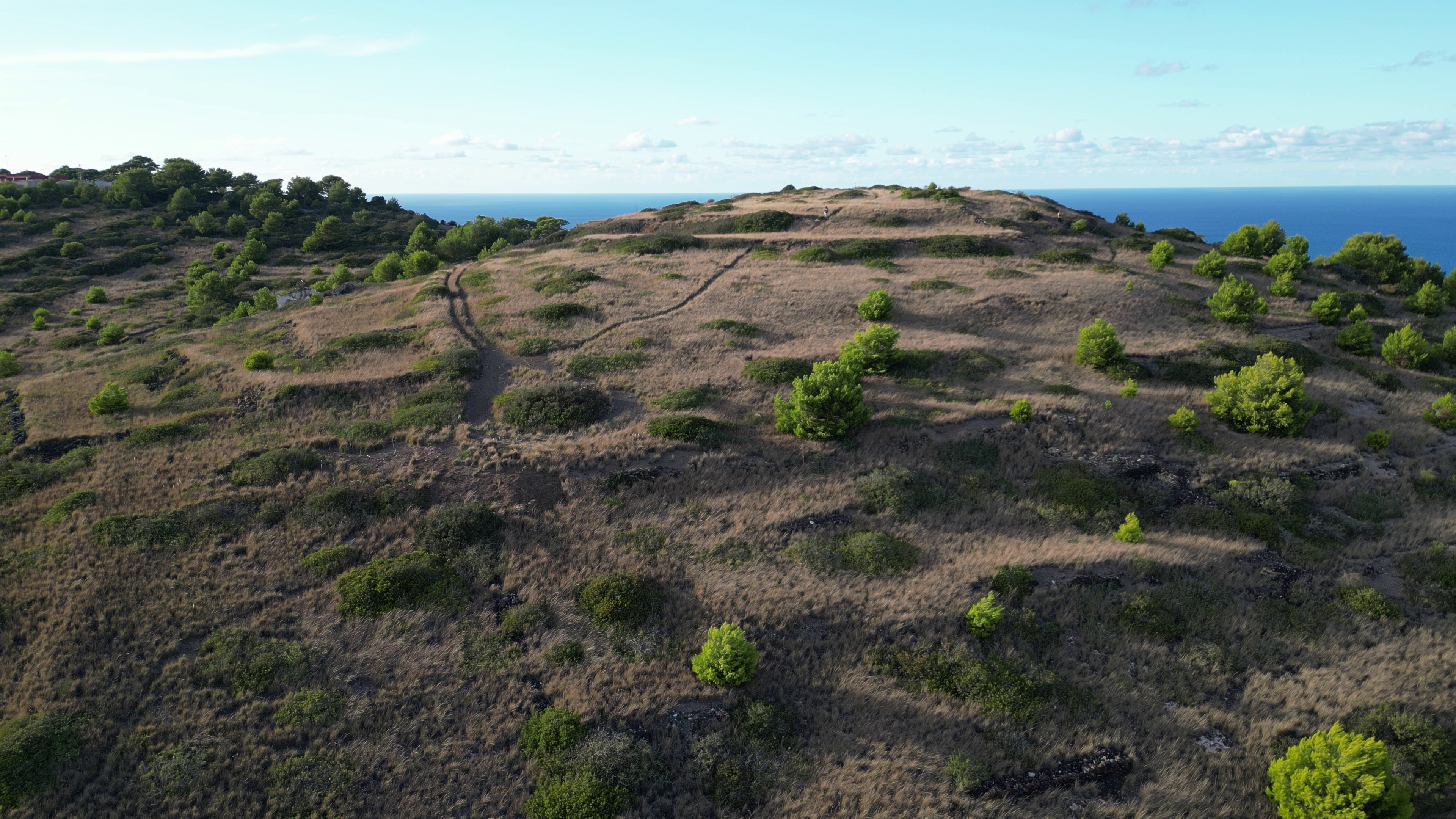
LINxS – Living by the Sea: Human-environment interactions in the North Mediterranean coastlands during Late Prehistory
Northern Adriatic – Italy, Slovenia and Croatia
Funded through the PNRR Young Researchers (Giovani Ricercatori) initiative, LINxS is led by Giacomo Vinci in collaboration with the Geoarchaeology Group of the Department of Geosciences at the University of Padua and the Soprintendenza Archeologia, Belle Arti e Paesaggio del Friuli Venezia Giulia.
The project investigates human–environment interactions in northern Adriatic coastal landscapes during Late Prehistory. Combining archaeological and palaeoenvironmental evidence, it explores settlement patterns, landscape transformations, human impacts, and community responses to changing coastal environments and sea-level rise.
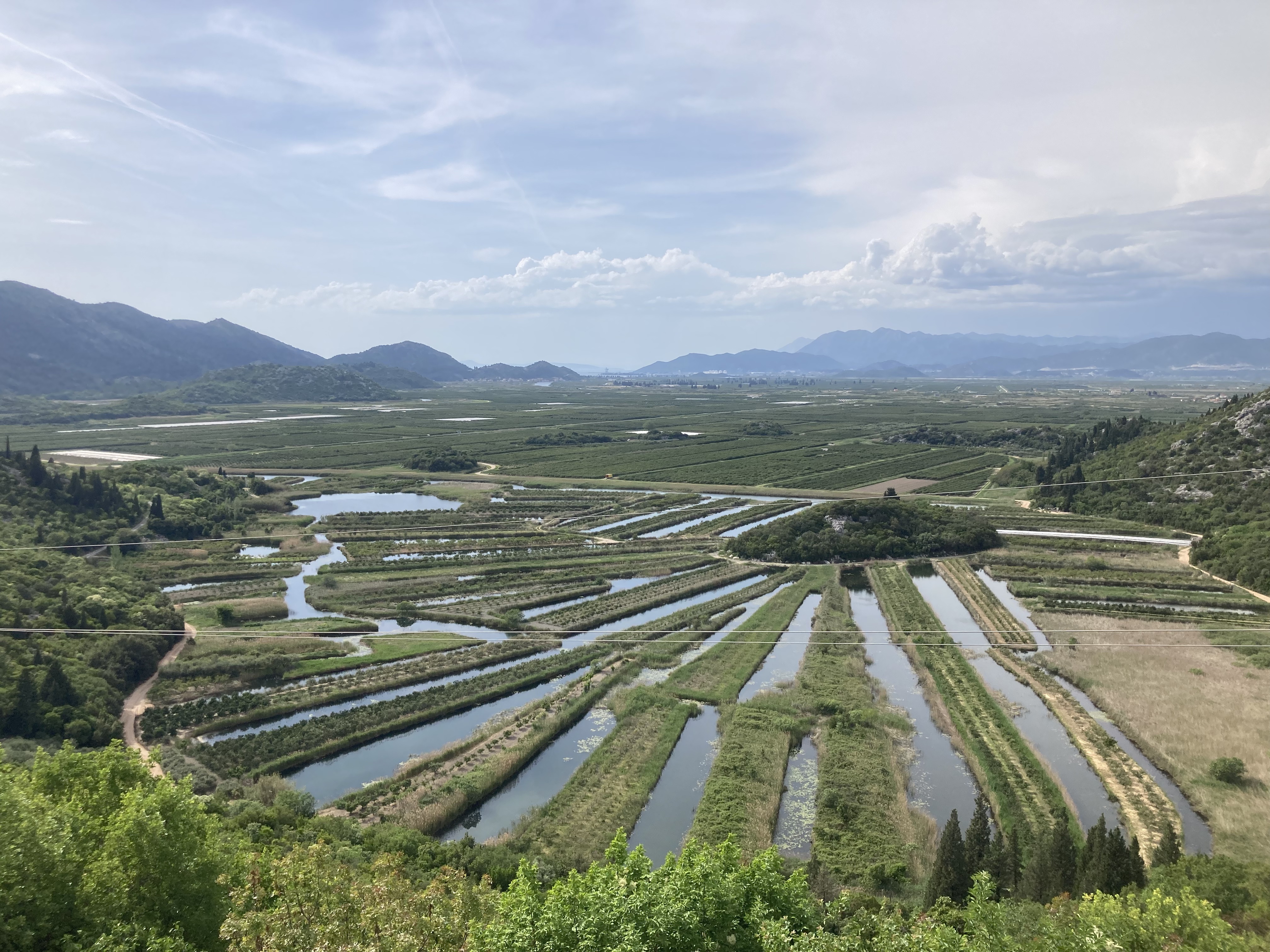
Research focuses on several contrasting settings, including the distal plains of Veneto and Friuli, the Gorizia Karst, and the Neretva Delta valley (pictured).
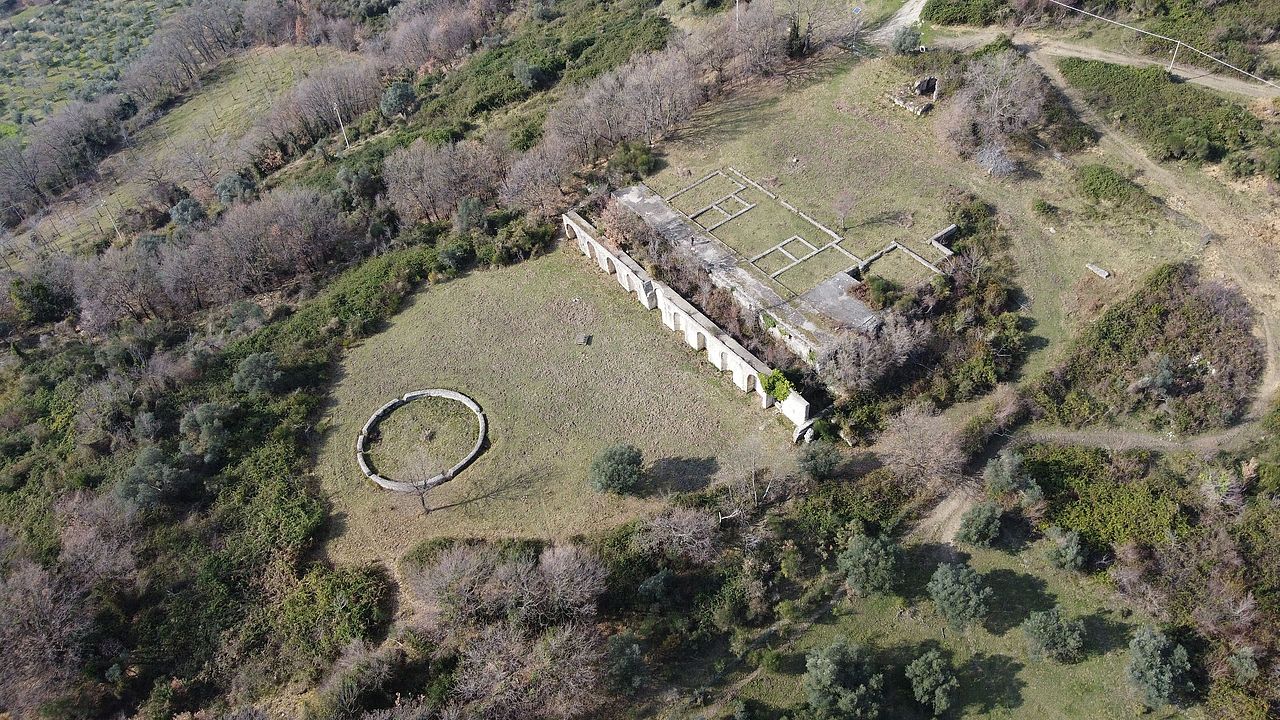
Villa dei Casoni – The Roman Villa as Ecosystem
Sabina Tiberina, Rieti, Italy
Funded by the Swiss National Science Foundation (SNSF) and led by Prof. Dr. Sabine Huebner at the University of Basel, in collaboration with the Soprintendenza Archeologia, Belle Arti e Paesaggio for the metropolitan area of Rome and the province of Rieti, The Roman Villa as Ecosystem: Climate, Production, and Society in the Sabina Tiberina investigates Roman rural estates as interconnected systems of people, agricultural production, and the environment.
Focusing on Villa dei Casoni, near ancient Cures Sabini in central Italy, the project combines archaeological investigation, environmental analysis, historical research, and scientific methods—including ancient DNA, isotope analysis, and climate data—to reconstruct land use, agricultural strategies, and the lives of enslaved and dependent workers. It examines how social and economic structures interacted with climatic and environmental change from pre-Roman times through Late Antiquity. By integrating archaeological and scientific evidence, the project sheds light on populations often overlooked in written sources and offers new perspectives on the resilience, sustainability, and long-term environmental impacts of Roman rural economies.
A Fortress in the Sea: Environmental and Cultural Transformations on Ustica Island (Sicily) at the Dawn of the Bronze Age
Ustica, Palermo, Sicily, Italy
Led by Claudia Speciale, Giacomo Vinci, and Helen Dawson, in collaboration with the Archaeological Unit of the Soprintendenza di Palermo, this project investigates the emergence of social complexity and maritime interaction in the central Mediterranean during the Early Bronze Age (late third to mid-second millennium BCE). It focuses on the prehistoric settlement of Culunnedda on Ustica, north of Sicily.
Combining UAV LiDAR, geophysical survey, archaeological excavation, geoarchaeology, and environmental analyses, the project investigates the settlement’s fortifications, dwellings, and funerary structures to establish its chronology and reconstruct resource use and subsistence strategies. It also explores how maritime exchange, cultural interaction, and potential conflict shaped the development of this fortified island community, highlighting Ustica’s role in networks connecting Sicily, the Aeolian Islands, and the wider central Mediterranean.